

Pro Tips
The Only Meta Ads Metrics Contractors Should Actually Care About
Most contractors focus on the wrong numbers. Learn which Meta Ads metrics actually predict booked jobs and revenue, so you can stop chasing vanity metrics and make smarter marketing decisions.

Every day we talk to contractors that tell us things like:
"My cost per lead is only $35."
"My click-through rate is 3%."
"Meta says my campaign is performing great."
But then we ask one simple question:
How much does it cost you to acquire a customer?
Most don't know.
The reality is that Meta Ads doesn't exist to generate cheap clicks or cheap leads. It exists to generate profitable customers.
Here's the framework we use to measure every contractor campaign.
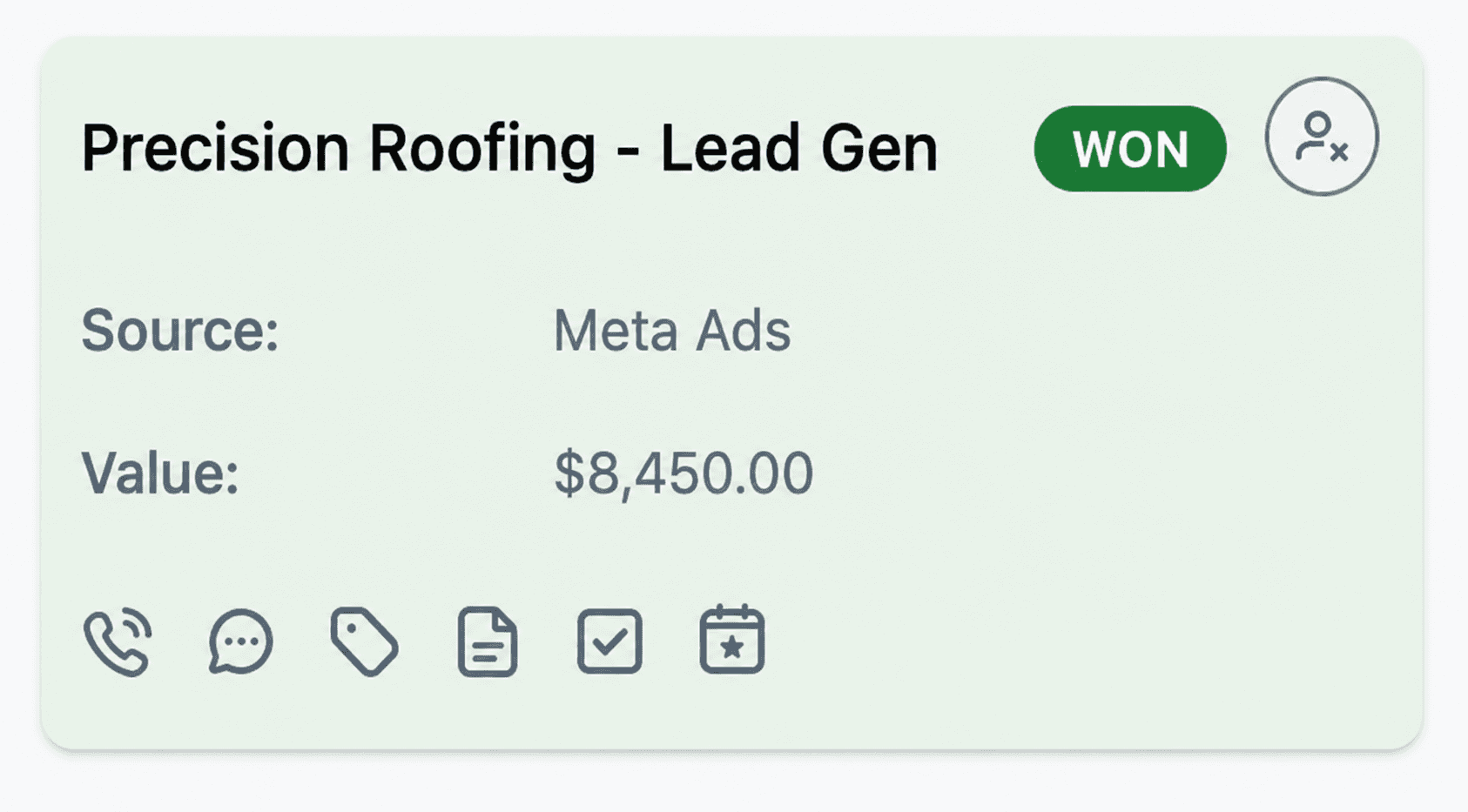
1. Customer Acquisition Cost (CAC)
The #1 Metric Every Contractor Should Track
If you only track one number, make it this one.
Customer Acquisition Cost (CAC) tells you exactly how much advertising it costs to generate one paying customer.
Formula
Example
Ad Spend: $8,000
Signed Jobs: 10
CAC = $800
Now compare that against your average project.
Average Project | CAC |
|---|---|
$8,000 Roof | $800 |
$18,000 Kitchen Remodel | $1000 |
$250,000 ADU | $2500 |
Suddenly the cost per lead doesn't seem very important.
If an $2500 customer acquisition turns into a $250,000 project, your marketing is working.
Too many contractors obsess over saving $10 on a lead while ignoring the metric that actually affects profit.

2. Cost Per Appointment
Your Second Most Important KPI
A lead isn't money.
An appointment is where your sales team actually has a chance to close business.
Track:
Example
Spend: $4,000
Leads: 80
Appointments: 32
Cost Per Appointment:
$125
This metric quickly tells you whether you're generating qualified opportunities or simply collecting names.
3. Cost Per Lead (CPL)
Important, But Often Overrated
Everyone talks about Cost Per Lead.
Almost nobody talks about lead quality.
Here's an example.
Campaign A
CPL: $45
100 Leads
8 Customers
Campaign B
CPL: $90
50 Leads
10 Customers
Which campaign is better?
Most people immediately choose Campaign A because the leads are cheaper.
But Campaign B generated more customers while spending less time chasing bad leads.
Cheaper isn't always better.
Sometimes paying more for better-qualified leads actually lowers your Customer Acquisition Cost.
That's why CPL should never be looked at by itself.
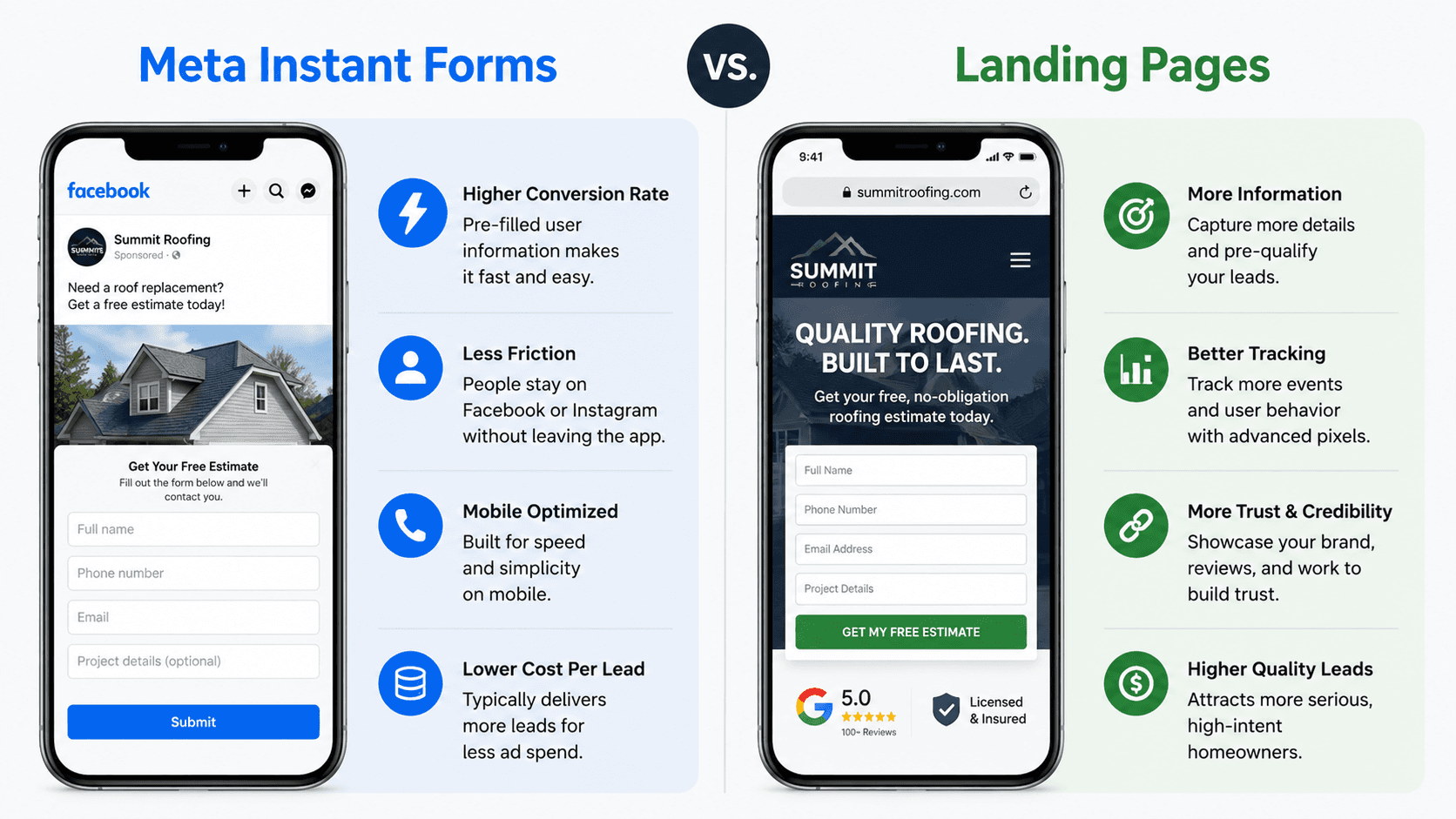
4. Meta Instant Forms vs Landing Pages
This is one of the biggest mistakes contractors make.
Meta Instant Forms almost always produce cheaper leads.
But cheaper doesn't necessarily mean better.
Meta Instant Forms
Pros
Lower CPL
Higher conversion rate
Faster to complete
Less friction
Cons
More accidental submissions
Lower intent
More unresponsive leads
Higher no-show rates
Landing Pages
Pros
Higher intent
Better educated prospects
Better appointment rates
Higher close rates
Cons
Higher CPL
More friction
Lower conversion percentage
We've seen campaigns where Meta Forms generated leads for half the price, but the landing page produced significantly more paying customers.
The only way to know which is better is to compare:
Appointment Rate
Close Rate
Customer Acquisition Cost
Not Cost Per Lead.
5. Click Through Rate (CTR)
Measures Creative Performance
CTR tells you whether people actually want to click your ad.
A low CTR usually has nothing to do with your offer.
It usually means your creative isn't grabbing attention.
General Benchmarks
Under 0.8%: Poor. Your creative, messaging, or offer likely isn't capturing attention.
0.8% to 1.5%: Average to Good. Your ads are performing reasonably well, but there's room for improvement.
1.5% to 2.0%: Good Campaign. Your creative is resonating with your audience and driving strong engagement.
Above 2.0%: Very Strong. Your ads are highly engaging and are typically among the best-performing contractor campaigns.
If your CTR is below 1%, don't immediately increase your budget.
Test:
New images
Different videos
Better headlines
Stronger offers
Different hooks
Your creative is often the biggest lever you can pull.
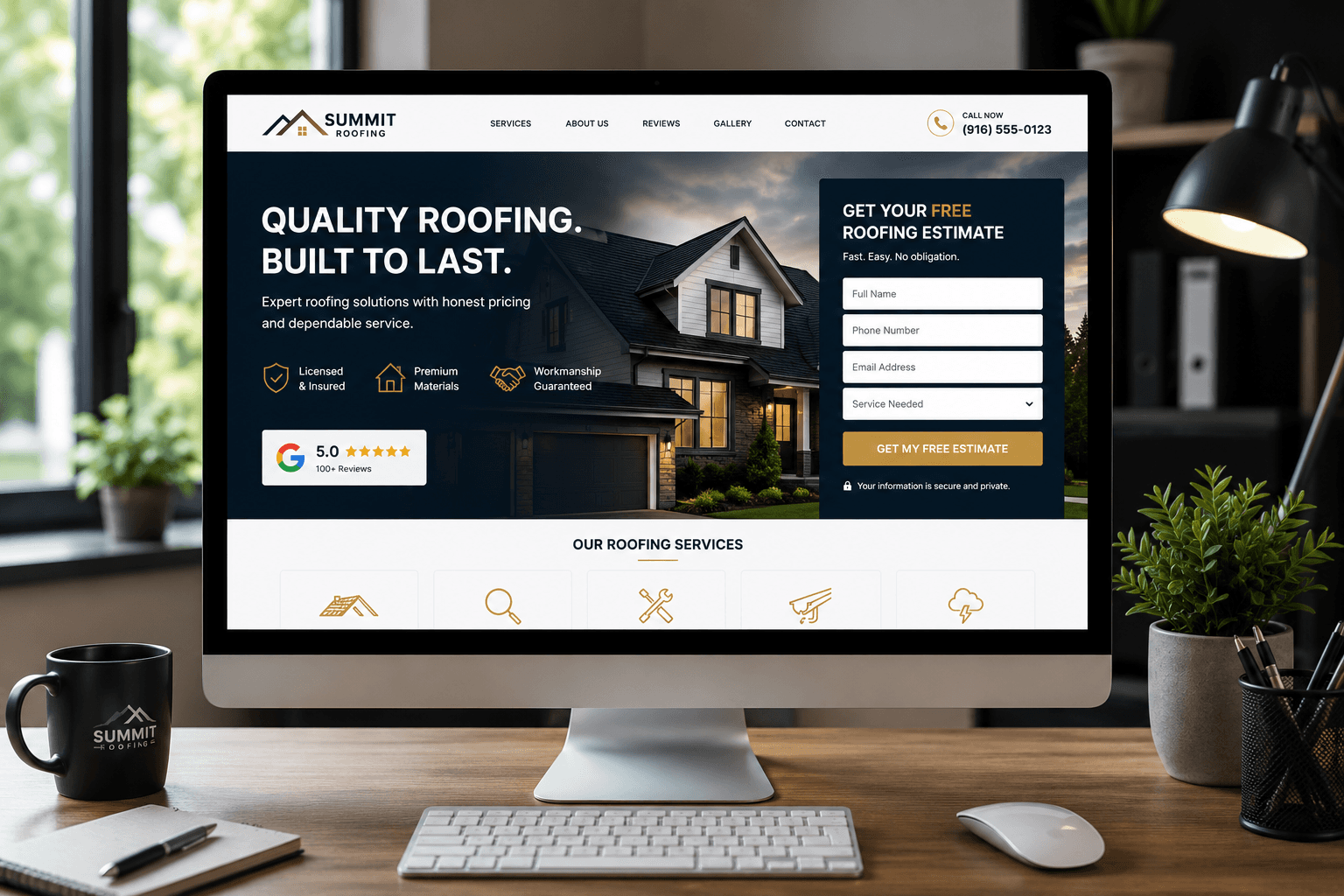
6. Landing Page Conversion Rate
Measures Your Website
CTR tells you if people like your ad.
Conversion Rate tells you if people like your landing page.
A poor landing page can waste thousands of dollars in ad spend.
Example
Campaign A
CTR: 2.8%
Landing Page Conversion: 6%
Campaign B
CTR: 2.8%
Landing Page Conversion: 22%
Same ads.
Same audience.
The only difference was the landing page.
If people are clicking but not submitting the form, the problem usually isn't Meta.
It's your website.
Things that often hurt conversion rates:
Slow loading pages
Too much text
Weak headline
Too many form fields
Poor mobile experience
No trust signals or reviews
Confusing calls to action
7. Diagnose Problems Using the Funnel
Every metric tells a story.
Low CTR (<1%)
Problem: Bad creative.
Fix:
Test new videos.
Use stronger before-and-after photos.
Improve your offer.
Rewrite your headline.
Good CTR, Low Landing Page Conversion
Problem: Landing page.
Fix:
Simplify the page.
Improve the headline.
Add reviews and project photos.
Make the form easier to complete.
Good CTR, Good Conversion Rate, Few Appointments
Problem: Lead quality or follow-up.
Fix:
Respond faster.
Improve your qualification process.
Compare Meta Forms with landing pages.
Review your sales scripts.
Lots of Appointments, Few Sales
Problem: Sales process.
Fix:
Improve in-home presentations.
Strengthen financing options.
Increase follow-up after estimates.
Train the sales team.
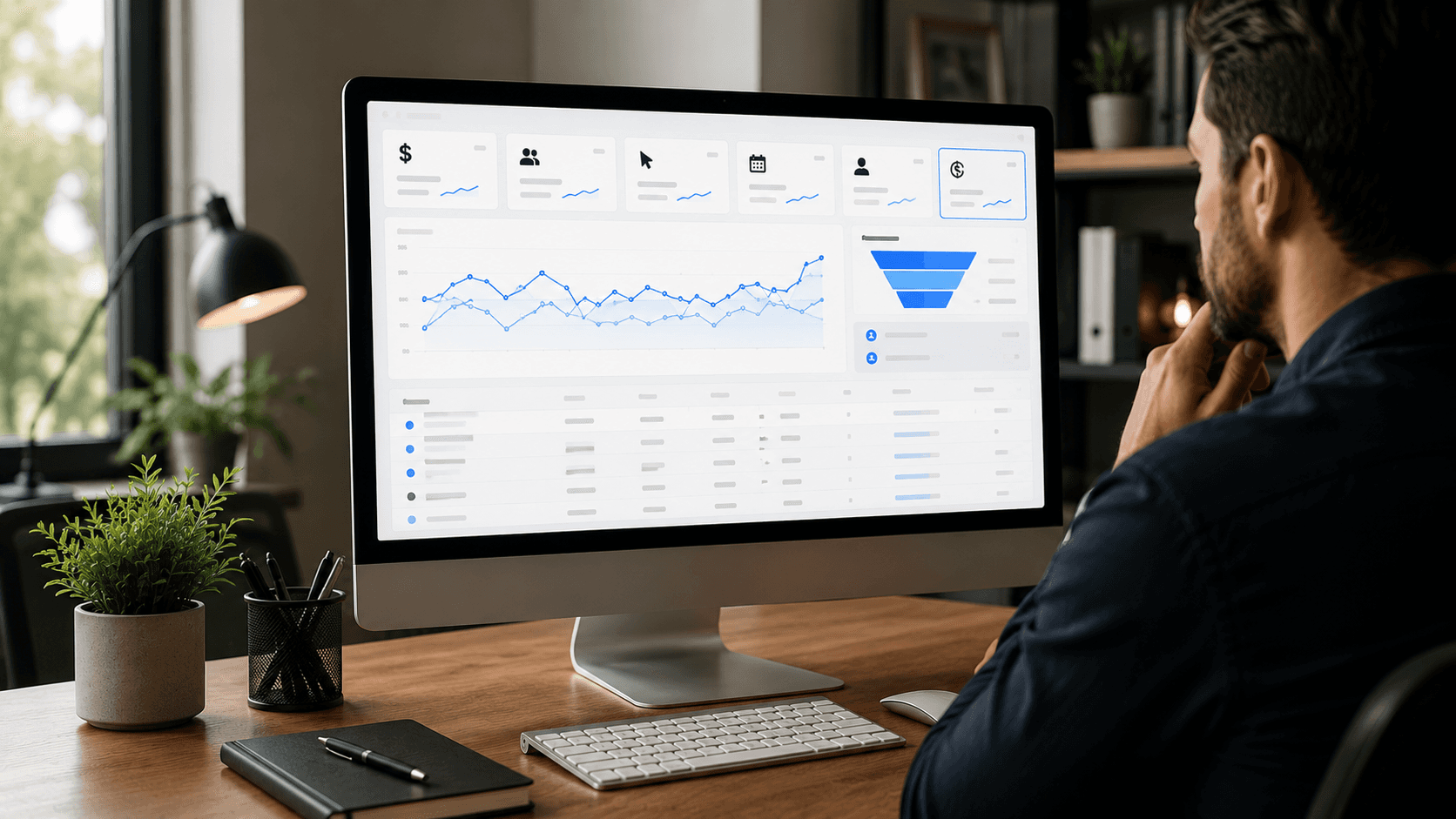
The Metrics That Actually Matter
Don't judge your campaigns by what Meta tells you.
Judge them by what your business tells you.
Follow this order:
Customer Acquisition Cost (CAC) – What did it cost to get a paying customer?
Cost Per Appointment – How much did it cost to create a sales opportunity?
Appointment Rate – Are your leads actually booking?
Close Rate – Is your sales process converting appointments into jobs?
Cost Per Lead (CPL) – Useful, but never by itself.
CTR – Measures the quality of your ad creative.
Landing Page Conversion Rate – Measures the effectiveness of your website.
At the end of the day, contractors don't deposit clicks, impressions, or leads into the bank. They deposit signed contracts. Every metric should ultimately help you answer one question:
"How much does it cost to acquire my next customer?"
That is the number that determines whether your Meta Ads campaign is truly successful.
INSIGHTS
Related Insights You Shouldn’t Miss
Explore more strategies and breakdowns to help you turn traffic into real customers.

Best Facebook Ads Agency in Sacramento (2026 Buyer's Guide)
Looking for the best Facebook ads agency in Sacramento? Learn what separates great agencies from average ones and why local businesses choose Turn Media.

How Much Does a Business Website Cost in 2026?
Wondering how much a business website costs in 2026? Learn what affects pricing, what to expect at each budget level, and why investing in a professionally built website can generate more leads and long term growth for your business.
The Only Meta Ads Metrics Contractors Should Actually Care About
Most contractors focus on the wrong numbers. Learn which Meta Ads metrics actually predict booked jobs and revenue, so you can stop chasing vanity metrics and make smarter marketing decisions.
Built alongside business owners not just delivered to them.


We build the ads, funnels, and systems that turn your ad spend into real revenue.
Free strategy call tailored to your business
Clear next steps and recommendations
Built around your goals and budget


We help local businesses turn their online presence into a consistent source of customers through websites, marketing, and growth systems built to perform.






© 2026 Turn Media. All rights reserved.